Discover the best time to visit Kashmir for snow, gardens, family trips and sightseeing, with seasonal tips and a simple month-by-month guide.
What is the best season for a Kashmir trip?
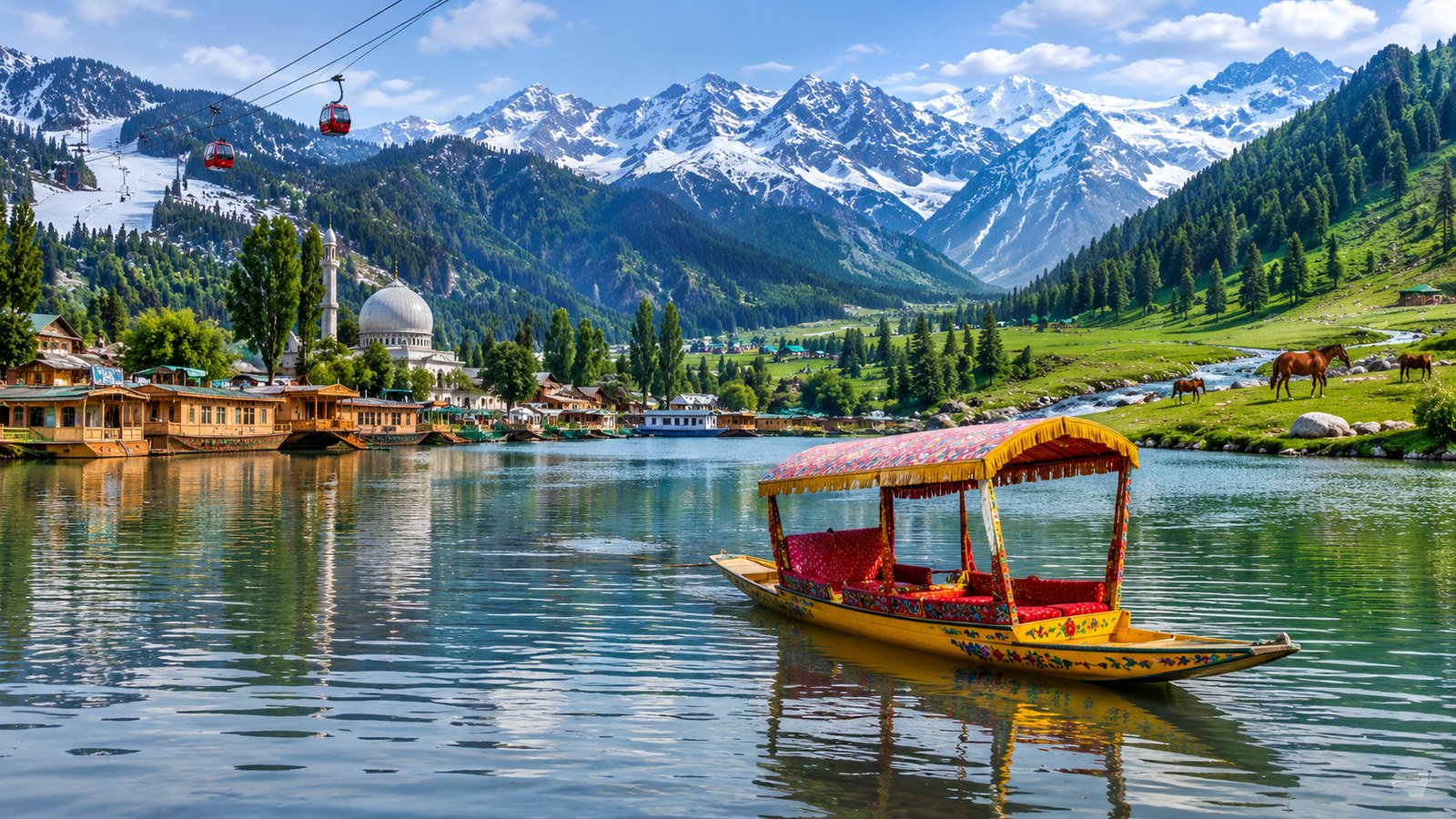
The best time to visit Kashmir depends on what you want to see. Spring is known for fresh colours and gardens, summer is popular for green valleys and sightseeing, autumn has distinctive foliage, and winter attracts visitors hoping for snow. No single month guarantees perfect weather, clear roads or snowfall. Select your dates according to the experience you value most, then keep your itinerary flexible.
Spring: March to May
Spring is appealing for travellers who enjoy gardens, blossom season and relatively gentle sightseeing. Weather is changeable, particularly in March, so light layers and rain protection are useful. Flowering dates vary each year. If gardens are your main reason to visit, check the latest seasonal updates rather than assuming a fixed bloom date. Srinagar often makes a comfortable base for spring trips.
Summer: June to August
Summer is a busy period for family holidays, school breaks and scenic drives. Pahalgam, Gulmarg and Srinagar attract visitors looking for green landscapes and a break from hotter cities. Hotels and transfers may become more expensive in popular weeks, so compare quotes early. Rain, traffic and local restrictions can still affect mountain travel. It is wise to book major components in advance without overloading each day.
Autumn: September to November
Autumn gives Kashmir a different character, with changing leaves and crisper air. September can suit travellers who want outdoor sightseeing without some peak-season pressure. October and November become cooler, and daylight hours shorten. Pack layers for evenings and check whether any high-altitude excursions are appropriate for your travel dates.
Winter: December to February
Winter is especially attractive for travellers interested in snow-covered landscapes and seasonal activities around Gulmarg. However, snowfall is a natural event, not a booking guarantee. Some roads and activities may be delayed or restricted by weather. Bring warm, waterproof clothing and do not rely on ordinary city shoes for slippery ground. Families should build extra flexibility into travel and transfers.
Month-by-month Kashmir travel planning
January to March
January and February are usually associated with the coldest winter experiences, particularly in higher areas. March often marks a transition, with conditions varying widely by elevation. Travellers seeking winter activities should check the latest ground conditions and official transport guidance. If you prefer gardens and easier city sightseeing, later spring may suit you better.
April to June
April and May are appealing for flowers and a fresh landscape, although bloom timing cannot be promised. June often works for families seeking a mix of city sightseeing and mountain views. Book hotels based on the actual itinerary, not just a destination's popularity. A well-located, comfortable room can matter more than an extra attraction on a crowded day.
July to September
These months can suit scenic drives and outdoor plans, but summer weather is not automatically dry or predictable. Carry a compact rain layer and comfortable shoes. September can be a good choice for travellers who prefer a calmer pace after some school-holiday peaks, though dates and crowd levels vary.
October to December
October is often associated with autumn colours, while November becomes colder and quieter in many places. December begins the winter travel period, but snow conditions differ across destinations and years. Check transport plans, heating arrangements and cancellation policies before booking a winter stay.
Choose the season by your travel goal
For honeymooners and couples
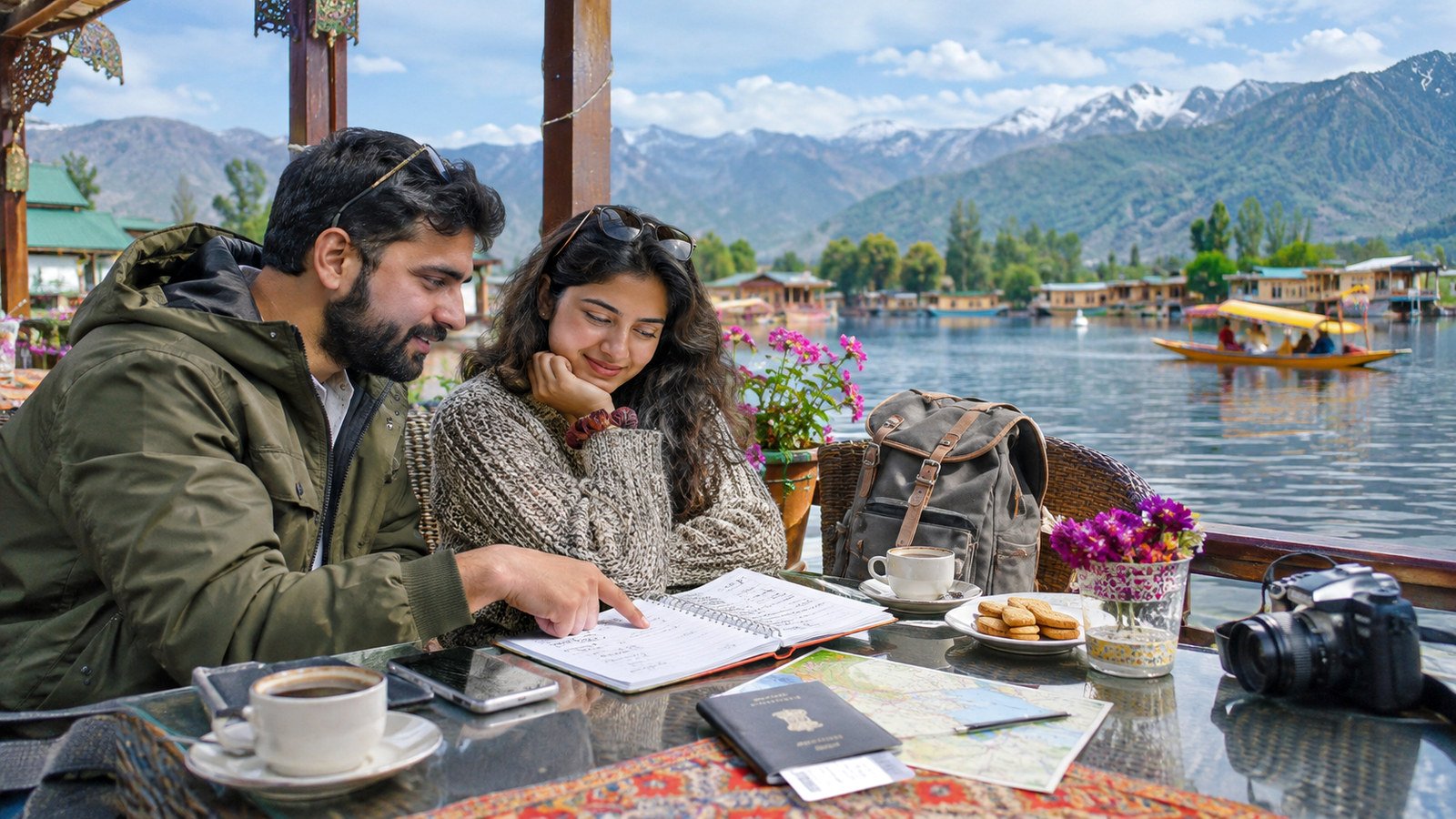
Spring and autumn can suit couples who prioritise photography, scenic stays and an unhurried schedule. Winter offers a different experience for people comfortable with cold temperatures. Instead of choosing dates only for one famous photograph, match the weather to the activities and hotel experience you actually want.
For families with children
Late spring and summer are commonly considered for family travel because of school calendars and sightseeing preferences. For older adults or very young children, minimise long road days and ensure appropriate hotel heating or cooling for the season. Comfort is more important than covering every valley.
A simple packing checklist
For any month, carry photo ID, comfortable walking shoes, basic medicines, charging equipment and layered clothing. Add sun protection during bright days and waterproof outerwear in rainy or snowy conditions. Check airline baggage requirements if bringing heavy winter items.
Weather reminder before departure
Recheck your local forecast, travel advisories and any gondola or road announcements shortly before travel; a historical climate pattern cannot predict your exact holiday.
How weather affects real Kashmir itineraries
Choose backup activities for changing conditions
A rainy afternoon does not have to spoil a trip. Keep an alternative city activity, a relaxed café visit or a suitable indoor experience in mind. If a mountain road or cable car closes, the best approach is to follow official guidance rather than insisting on the original plan. When booking hotels, ask how the provider handles weather-related rescheduling. This is especially useful when a holiday depends on reaching a high-altitude location.
What to expect from clothing and temperatures
The temperature in Srinagar can feel quite different from higher destinations on the same day. In spring and autumn, carry layers that are easy to add or remove. Summer travellers may want light clothes for daytime plus warmer clothing for evenings and mountain visits. In winter, waterproof shoes, gloves and insulated outerwear may be essential. Do not judge the entire itinerary by a single forecast for Srinagar; check the locations you actually plan to visit.
Travel responsibly during busy periods
Popular viewpoints can be crowded. Book authorised transport where needed, follow posted safety instructions and allow other visitors room to enjoy the scenery. Avoid littering or entering restricted landscapes for photographs. Carry reusable water bottles when practical and respect local communities. If your calendar is flexible, travelling outside peak holiday weekends may offer a more relaxed experience, although opening hours and weather remain important considerations. Remember that the best month also depends on your tolerance for cold, crowds and uncertain weather. A traveller who wants colourful gardens may make a different choice from someone who dreams of snowy mountains. Before reserving any non-refundable component, review forecasts, current access guidance and the cancellation conditions. Keep one alternative experience in your itinerary so you still enjoy the holiday if a planned outdoor activity is not available.
Frequently asked questions
Which month is best for snowfall in Kashmir?
Winter months are the usual period for snow-related trips, particularly in higher destinations, but timing and accumulation vary. Ask for current conditions rather than relying on a guaranteed snowfall claim.
Is Kashmir suitable for a summer family holiday?
Yes, many families visit during summer. Book sensible driving routes, allow rest breaks and compare accommodation by comfort, accessibility and location.
When should I reserve a Kashmir package?
During popular school-holiday or winter-travel windows, checking availability early offers more choice. Always read cancellation policies because weather and travel plans can change.
Find the right season with MeraTripBanao
Tell MeraTripBanao whether you want spring flowers, summer sightseeing, autumn scenery or a winter escape. A date-specific plan can balance your travel goals, budget, hotel preferences and realistic road travel so your Kashmir holiday feels memorable rather than rushed.
Let MeraTripBanao help you plan a personalised holiday with hotels, transfers and sightseeing tailored to your preferences.